
Lodge Review: Zambia’s Bilimungwe Camp
Wow wow wow. A family of Pel’s fishing owls roost in the trees at this camp.
It’s a big deal for birders, even guests waiting to go on the afternoon game drive have settled in to take some shots of the most obliging Pels I’ve yet seen or heard. I can’t think of a better place to view this iconic large owl than here at Bilimungwe, South Luangwa National Park.
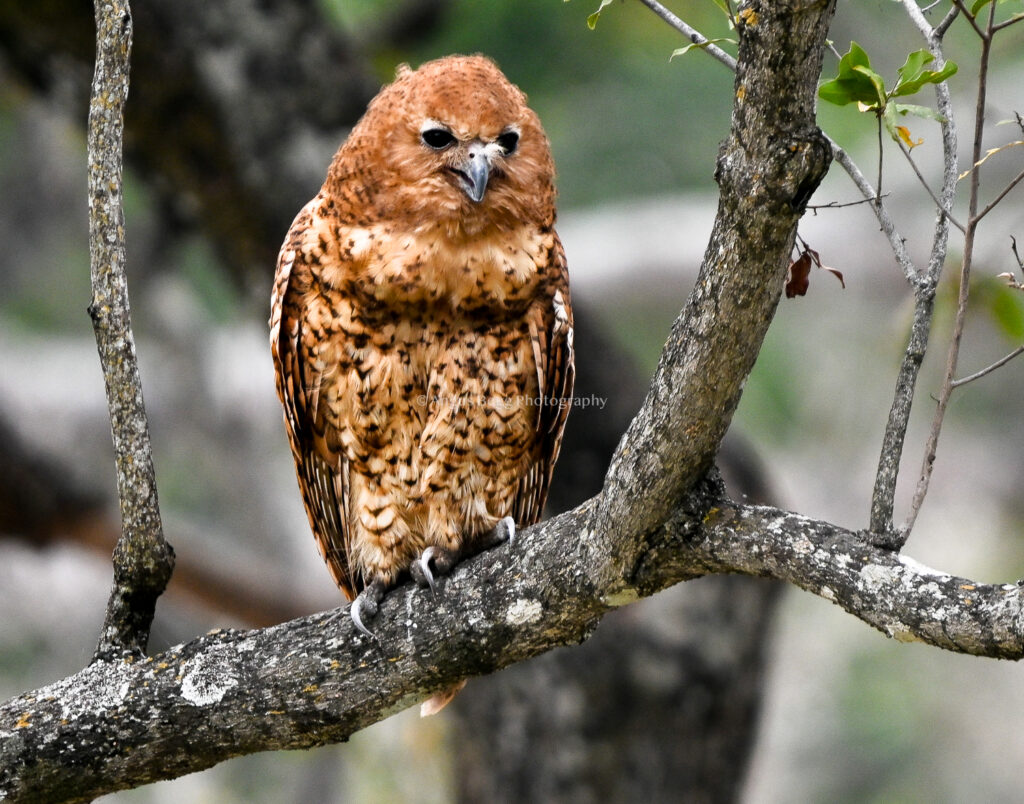
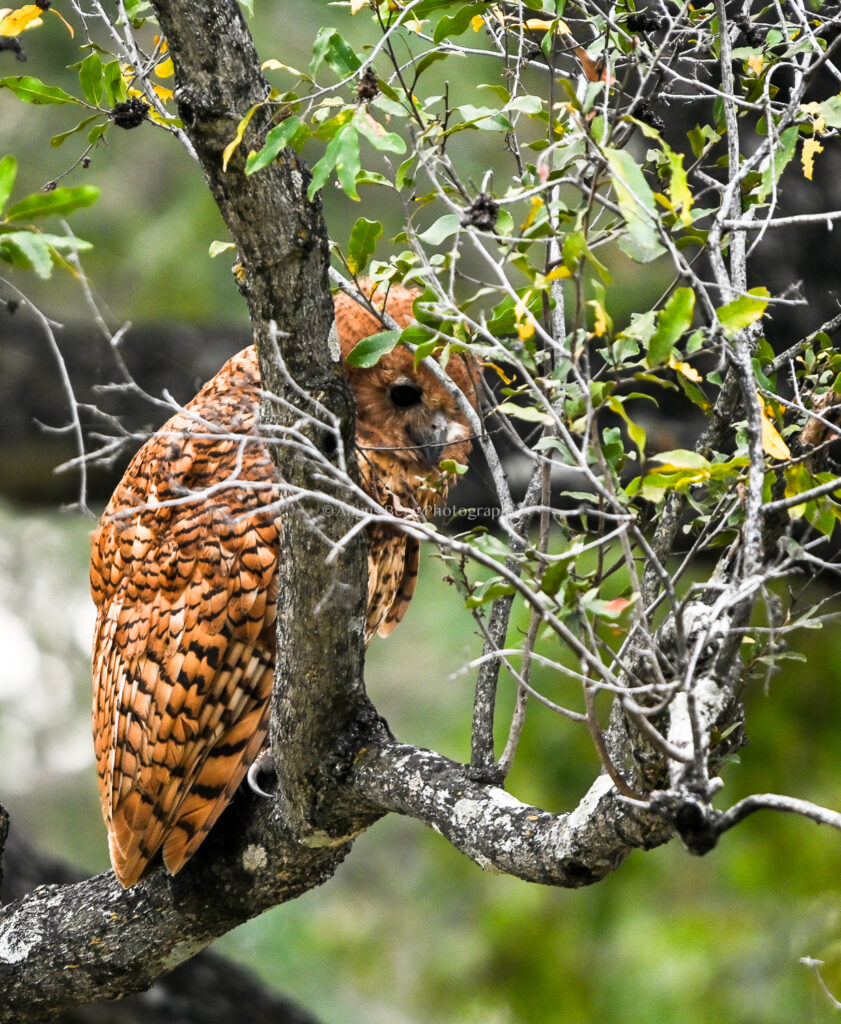
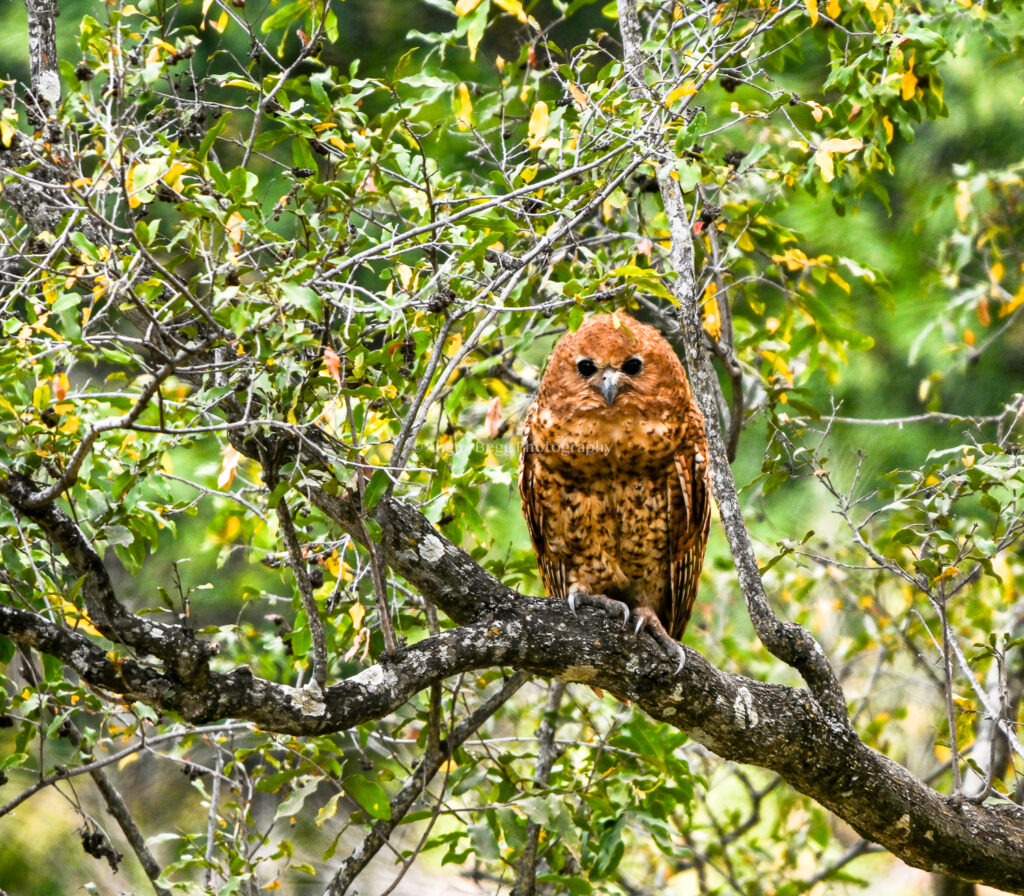
The Bird. Ok, I’ve seen a relaxed Pels on Chundu Island on the Zambezi river, but access was tough and conditions not ideal, it didn’t come close (I’ll save that one for my review of that sumptuous river island experience). From sometime between 3 and 4pm, almost like clockwork, the camp staff say the two adults and a chick have been present every day for over a month now.
I just discovered that this magnificent large owl was named after Hendrik Severinus Pel, the 19th-century Dutch governor of the Dutch Gold Coast, today’s Ghana. He’d never set foot in any of the places I’ve seen and heard the bird – but at least he’d lived on the continent. Which did make me think. When travelling the country, producing a glossy, storytelling A4 brochure for the Ghana Tourism Board some 15 years ago, no-one mentioned Pels.
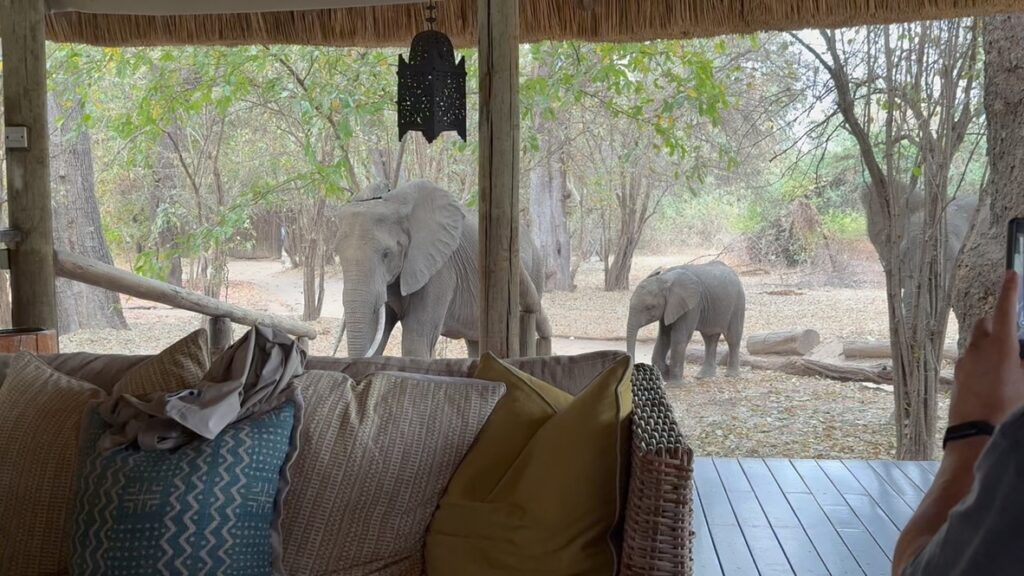
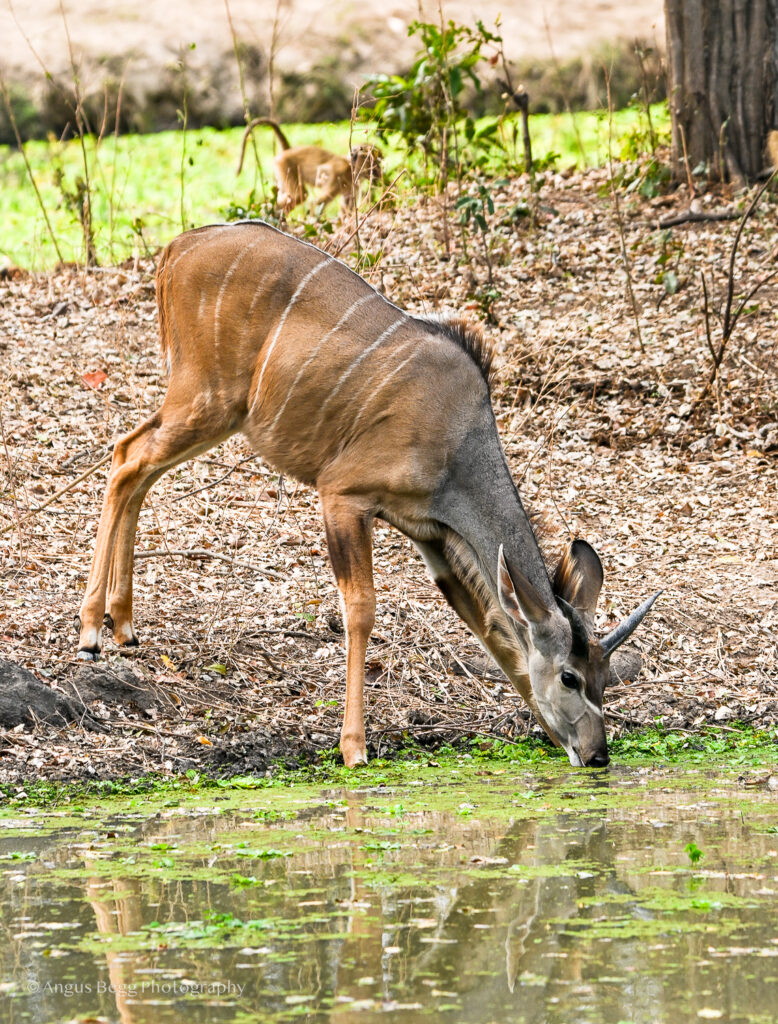
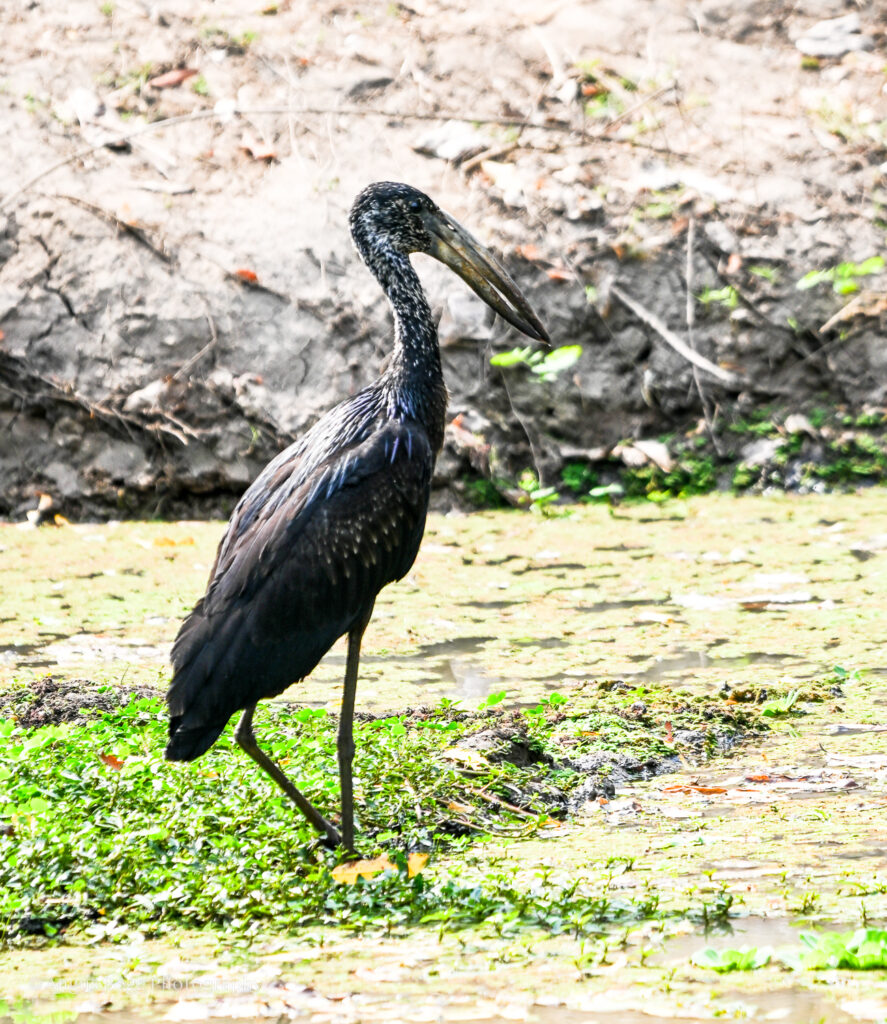
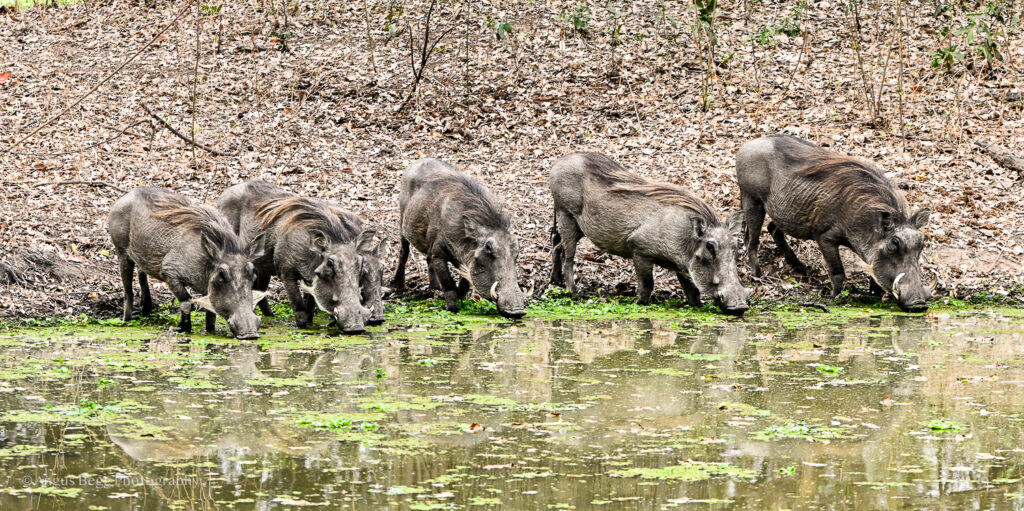
But maybe you’re not into birds. As I once wasn’t. Well, s with all of the camps, there is always something to seize your attention. Three of the four very large units surround the pan around which the lodge is built – and in the dry season the pan is 24/7 busy with elephants and a variety of game, for most of the day.

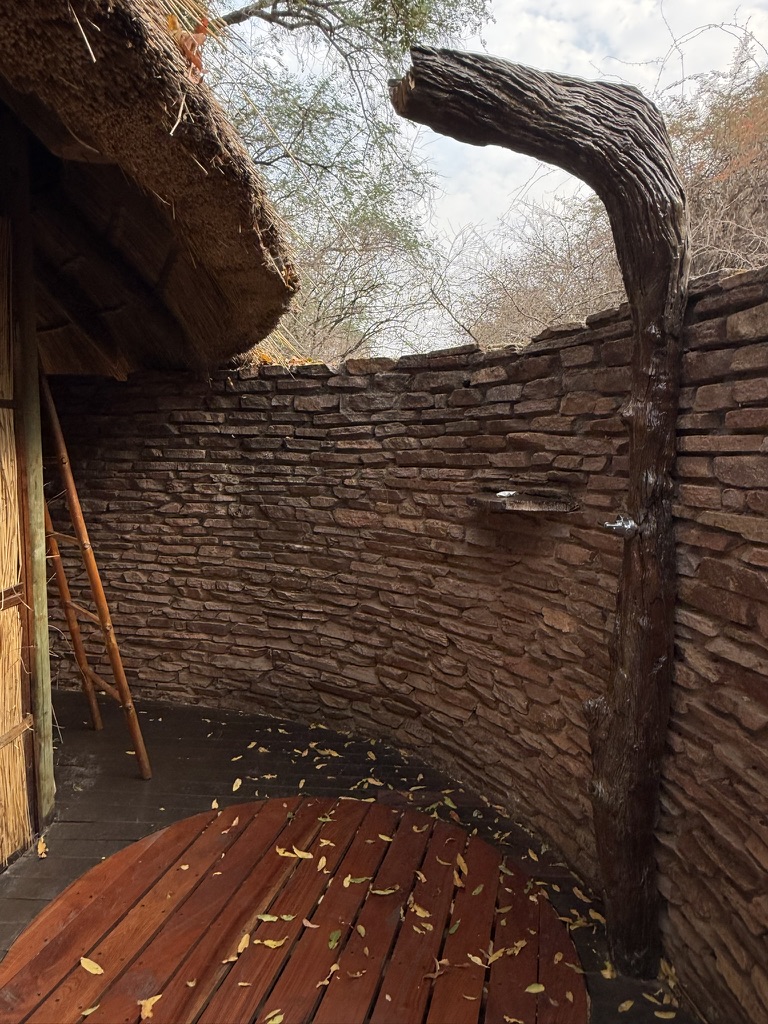
The Rooms. As with all of the Bushcamp Co. camps, the accommodation units, aka kayas, are very large and extremely spacious. I didn’t have time for a pro shoot of the rooms, but I wasn’t here for that anyway, so I snapped a few off (If I haven’t posted a video, mail me and I’ll send you a walk-thru). Being a yogi, the yoga mats in every camp were a blessing.
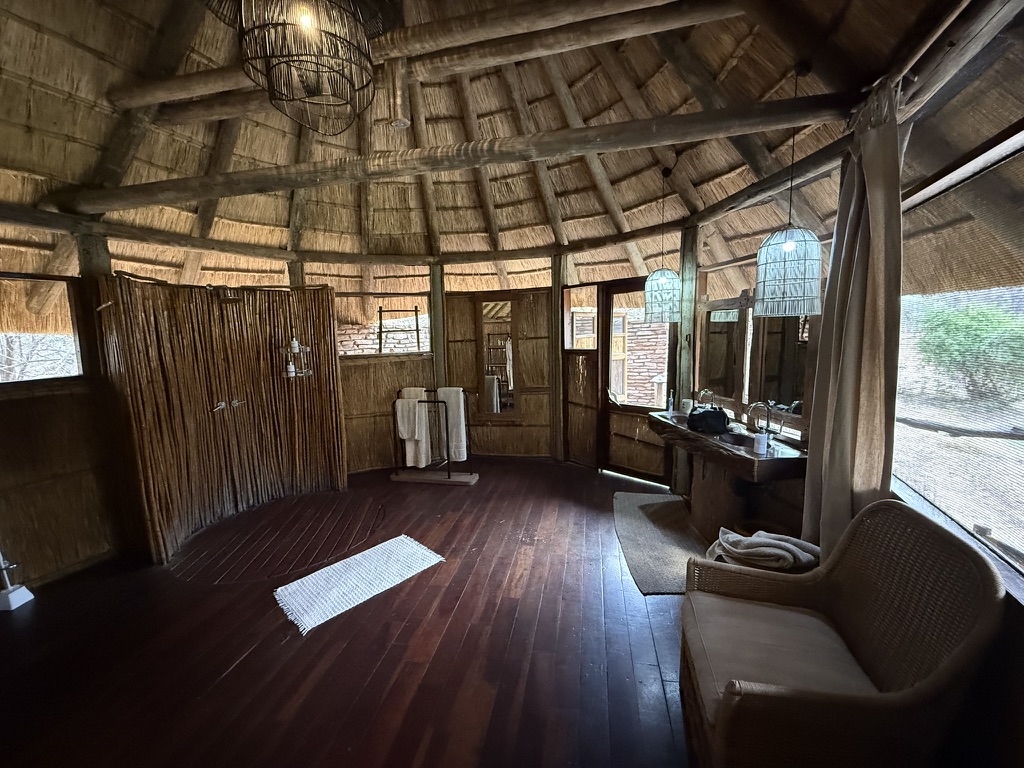
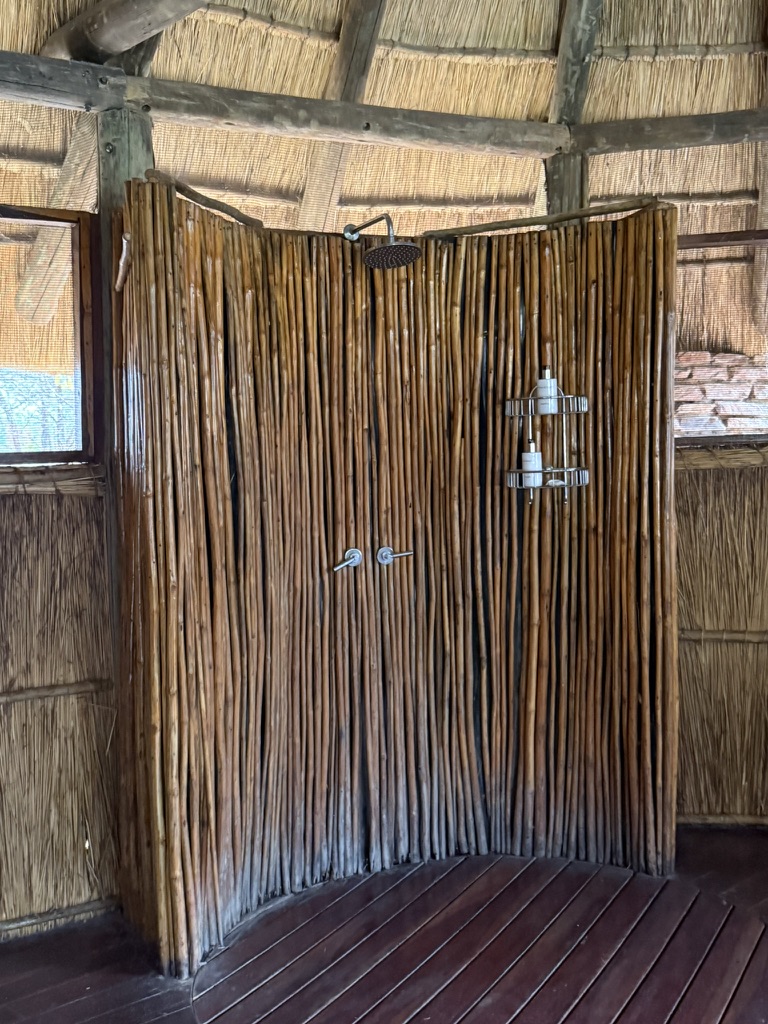
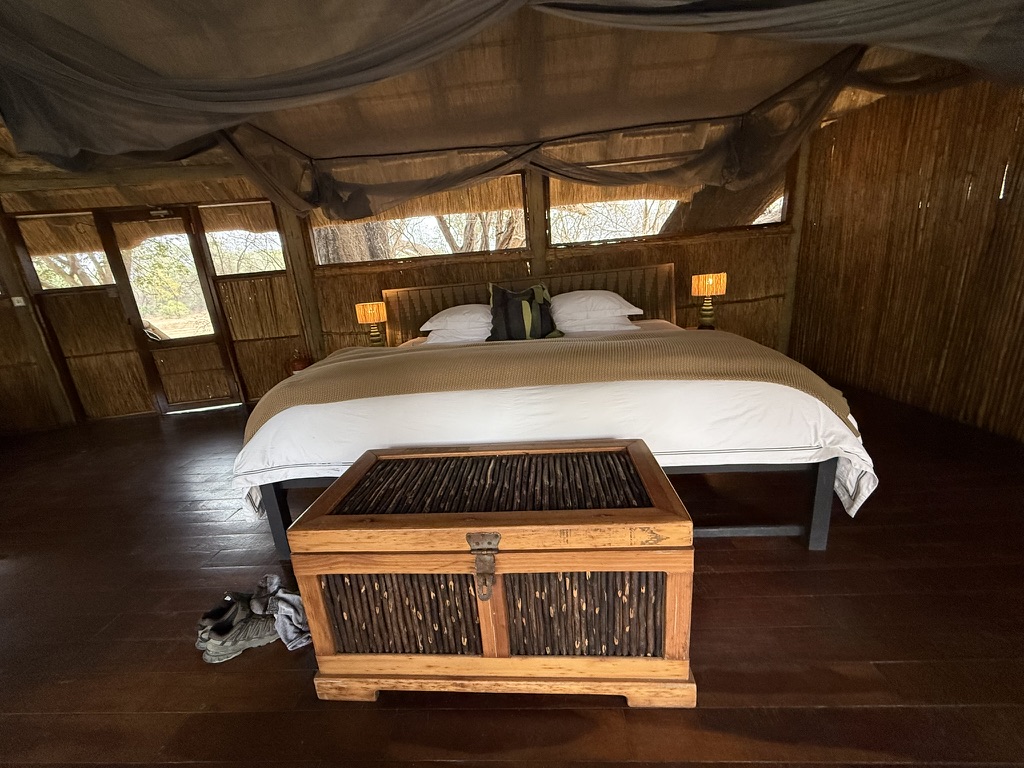
Immersion. Everything in the Bushcamps is about the wildlife experience, and being soaked in wilderness. And that’s what each kaya and the layout of the camp allows. Just like the elephant family at the top of the page, wildlife is almost always in camp.
I surprised this bull below, for example, when going to fetch tea – he was feeding on a jackalberry behind the kitchen and got a fright. I can still feel the trumpet blast and flapping ears, so I popped into Prince’s guide-room until he (the elephant) had settled down. Then I fetched my tea.

Prince explained that he’s angry (the elephant, not Prince), with a snare wound on his trunk, and has been chasing staff around for a few days. A vet from the Zambian Wildlife Authority had already darted him and treated the wound. However as it’s not safe for all concerned, the ZWA had been contacted to help resolve the situation.
In the meantime I later shot a video clip from my deck (I was waiting for the Pels) of him wallowing in the mud on the other side of the pan https://www.instagram.com/african_storybook/ Elephants use the mud to cool down, or maybe – like I saw Boswell doing outside #MachabaSafaris River Camp in Mana Pools – to treat an infection.
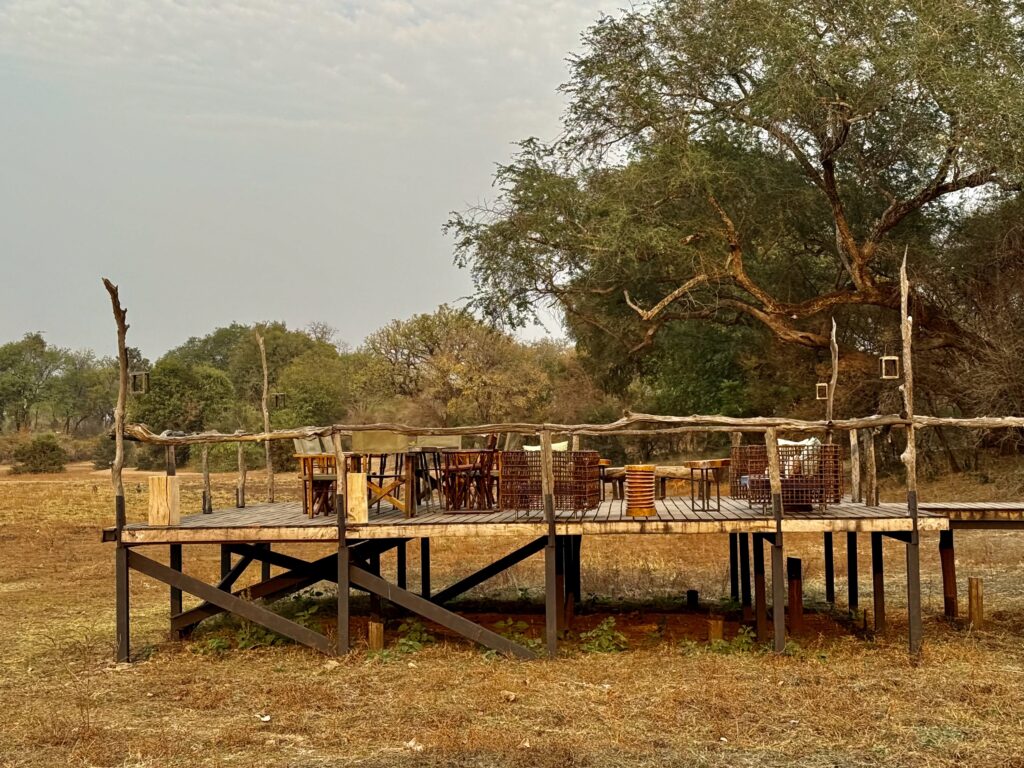
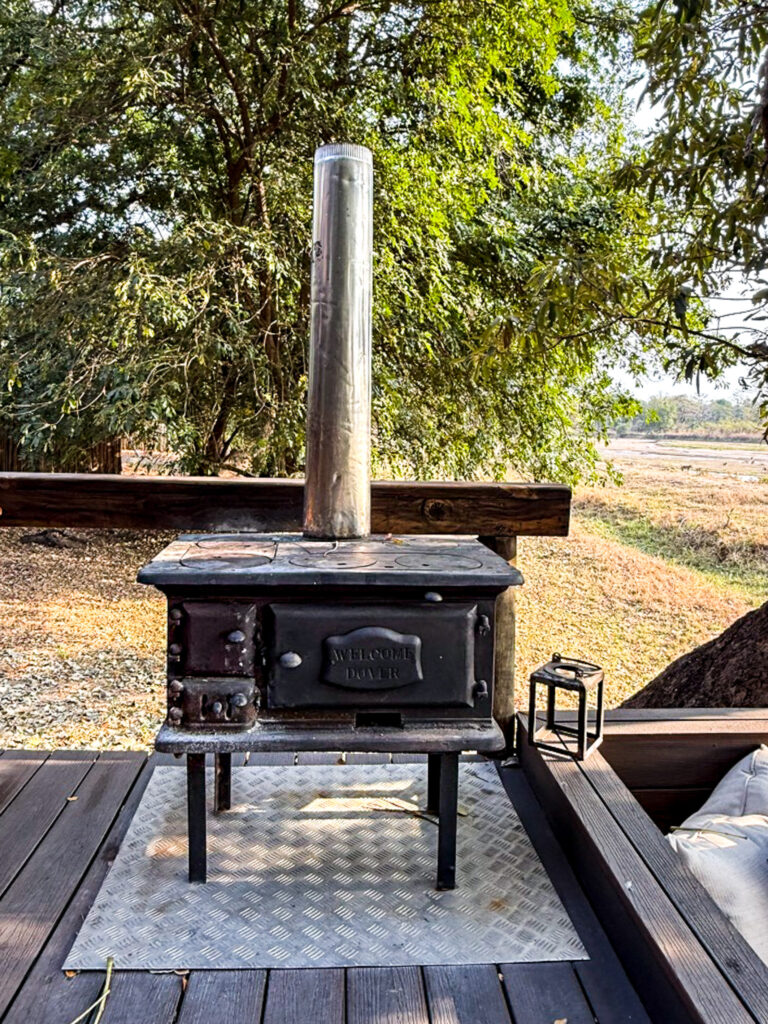
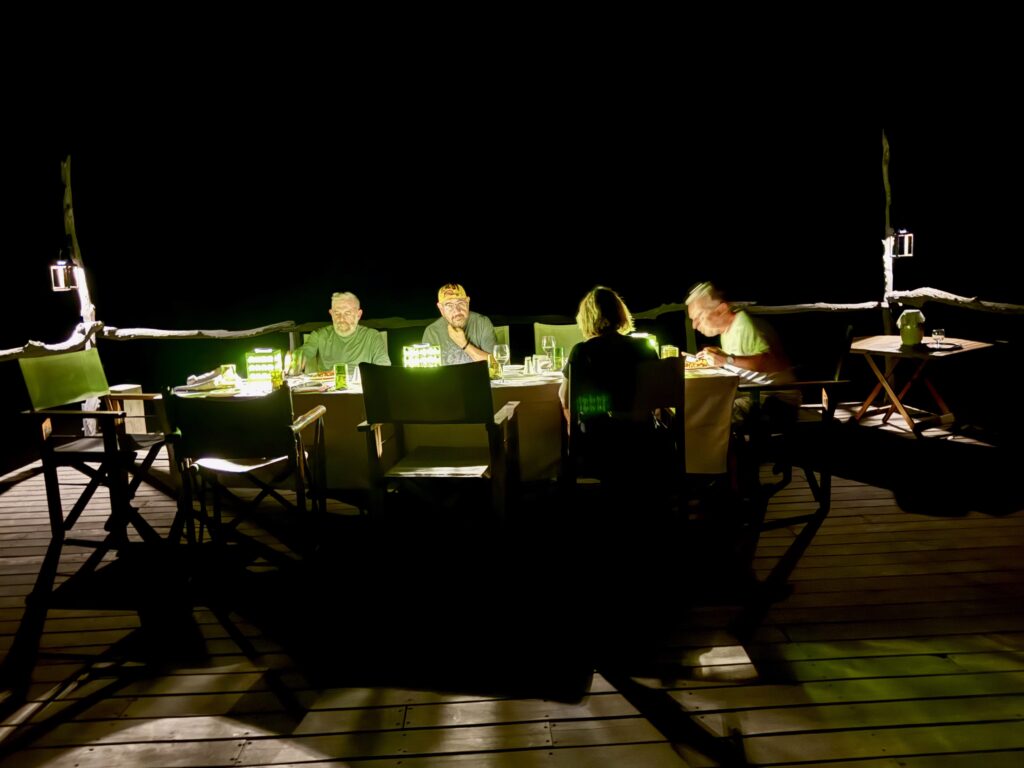
A ‘design & feel’ highlight for me at all the Bushcamps is the ubiquitous, classic Dover stove, used for breakfast and dinner.
Breakfast is even better, watching a perfect orange ball pull itself over the Chindeni mountains before the game-drive, while hippos honk in the Luangwa below. That setting took us completely by surprise – so instead of sharing the image, I’ll leave it to the fertile imagination of those seeking out a safari in Africa.
*Meanwhile, I invite you to follow my links below for stories and reels. They’re maybe a little rough at the edges, photojournalist style, not too polished. Whether five star or rustic luxury, their treatment will be the same.
Maybe join me on a photographic safari, or ask me to design your own.
https://www.instagram.com/african_storybook