
Busanga Plains: Serengeti 50 years ago?
It’s been my happiest Zambian misadventure so far.
I was originally booked into Lwenge camp, the newest on the Kafue river, in Kafue National Park. My job – to review this and two other new accommodation offerings for the UK’s Conde Nast Traveller..
‘We’ve got a booking for the whole camp’, said Tyrone, co-owner of Classic Zambia. ‘Would you mind if we booked you into our Busanga Plains camp instead?’
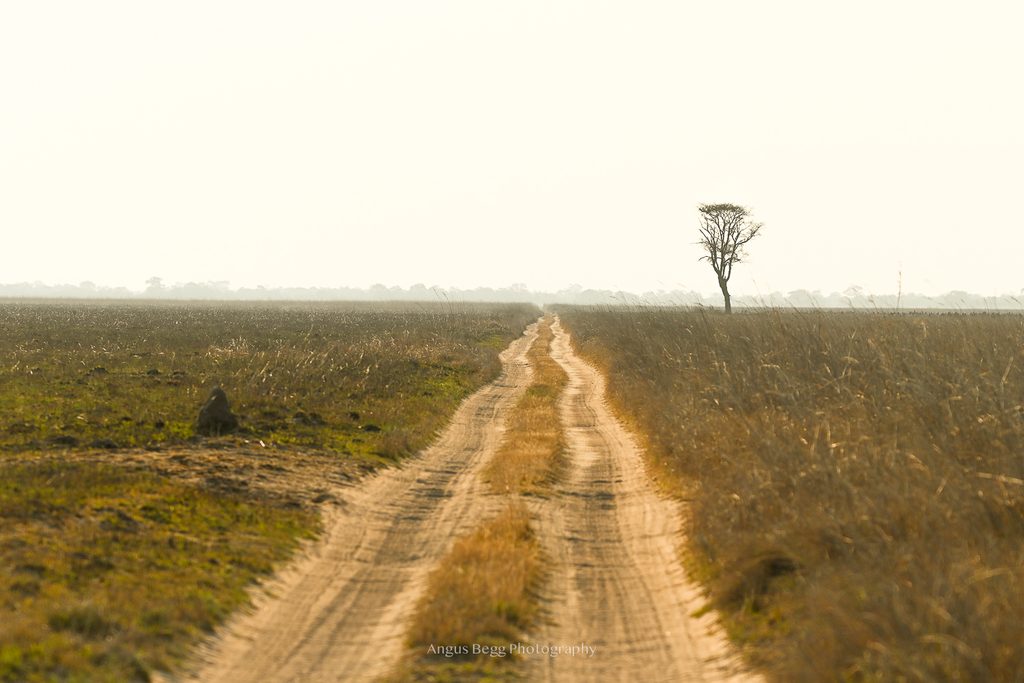
I had three nights to fill, needed somewhere to sleep and it was too late to organise something else. So the Busanga Plains it was.
The gratitude that I have for stumbling upon this almost mythical wildlife destination – at 21 500 sq kms Africa’s fourth largest national park – runs deep.
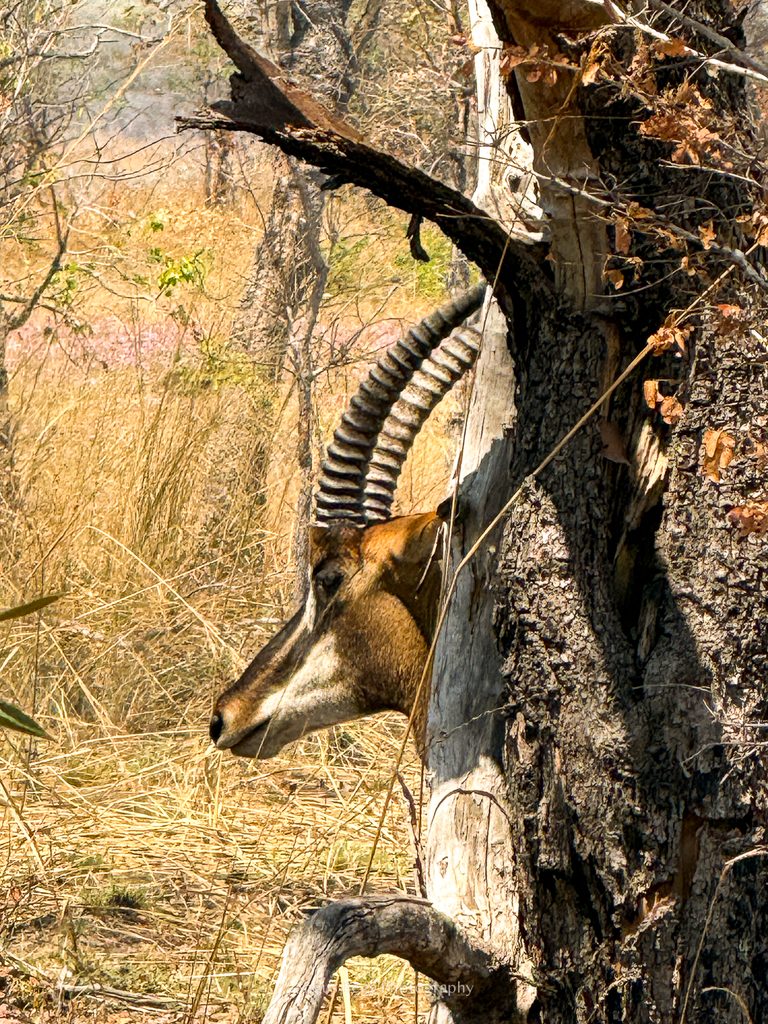
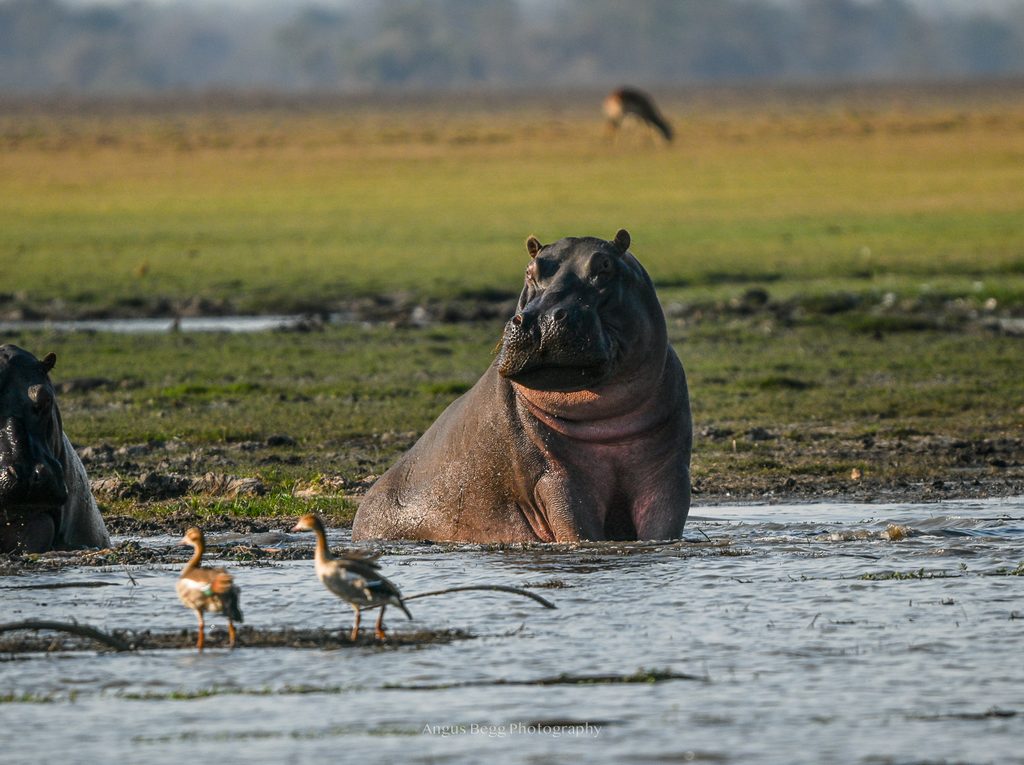
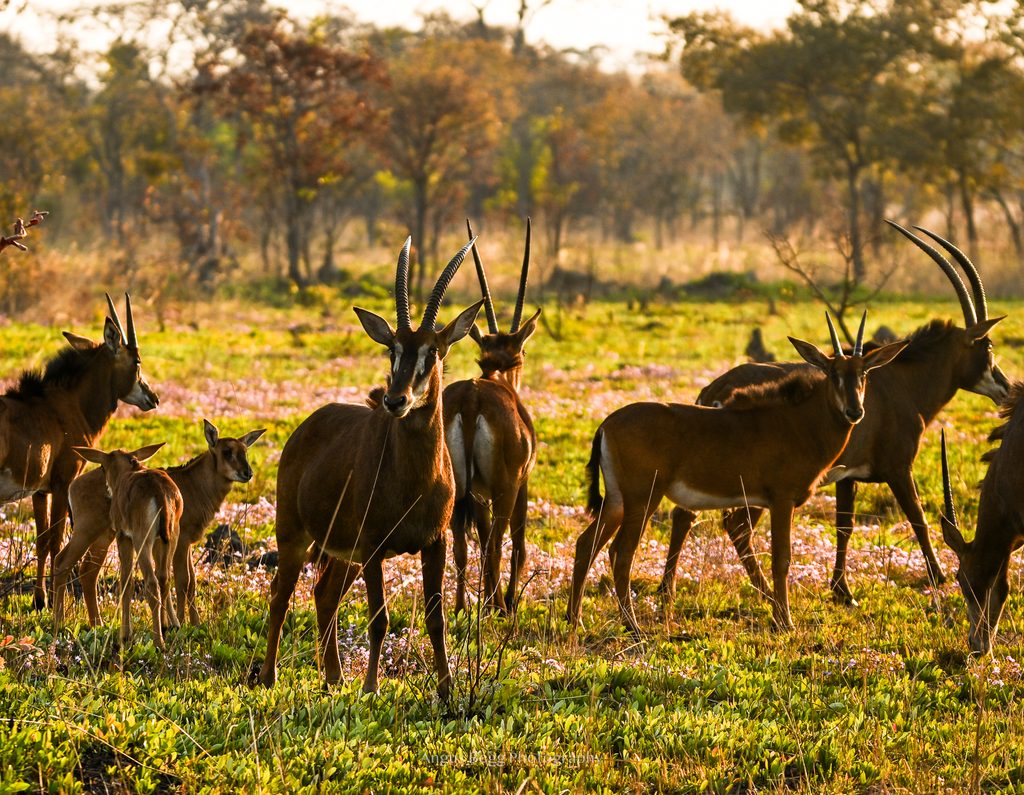
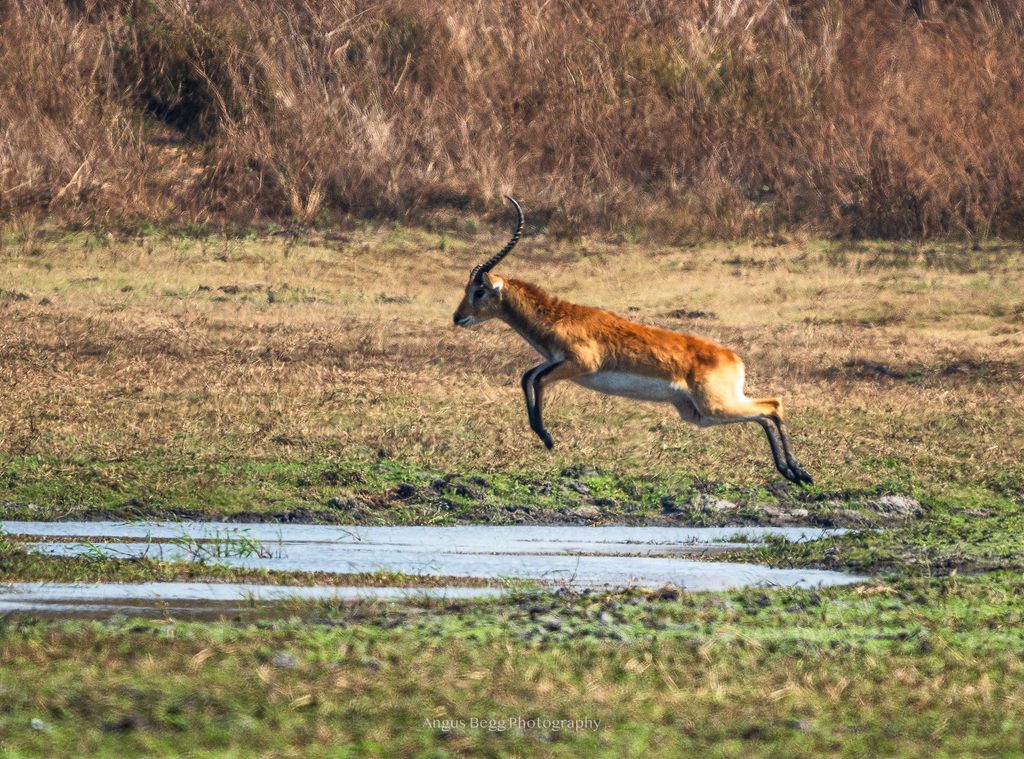
Busanga Plains is known to have one of the most diverse antelope populations to be found, with relative rarities or uncommon species like Sable, Roan, Oribi and mountain reedbuck fairly common alongside the vast herds of the web-footed puku and lechwe. Which explains why the plains are reputed to have one of the most significant predator densities after the Serengeti.
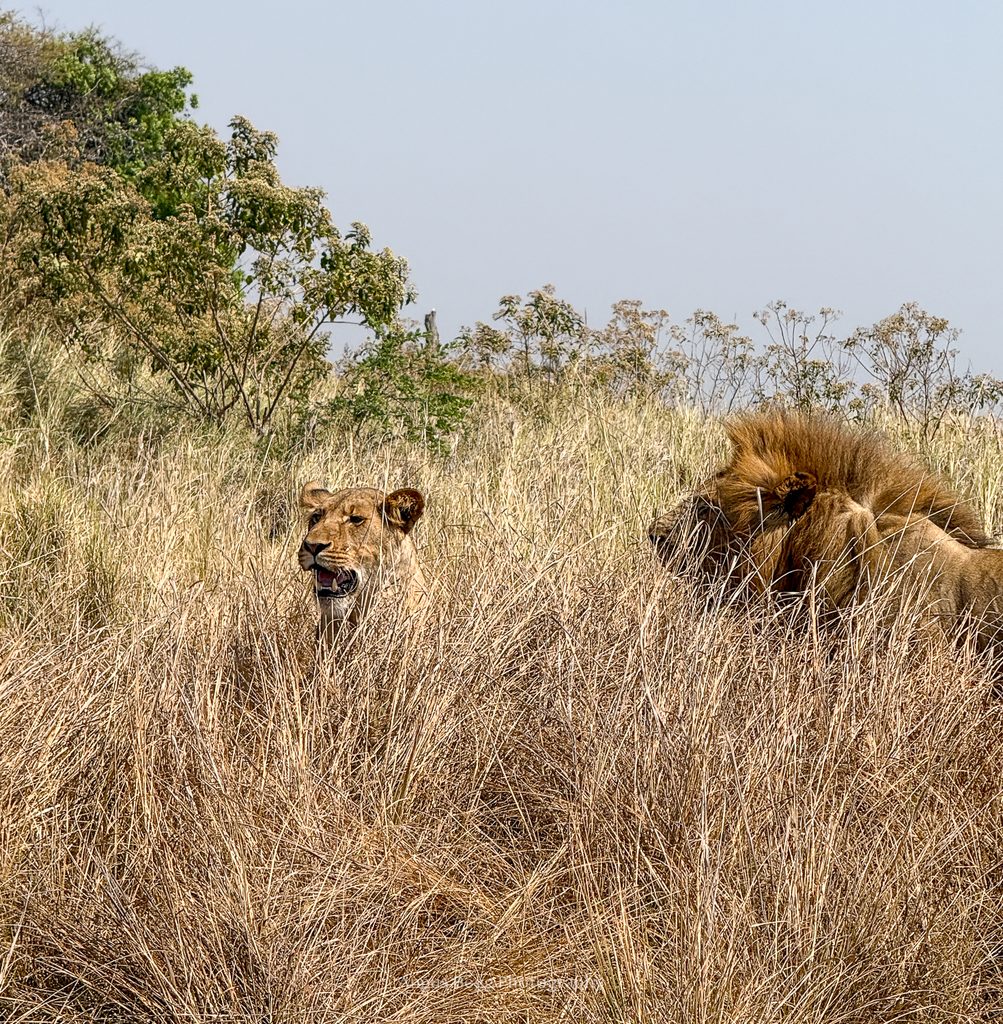
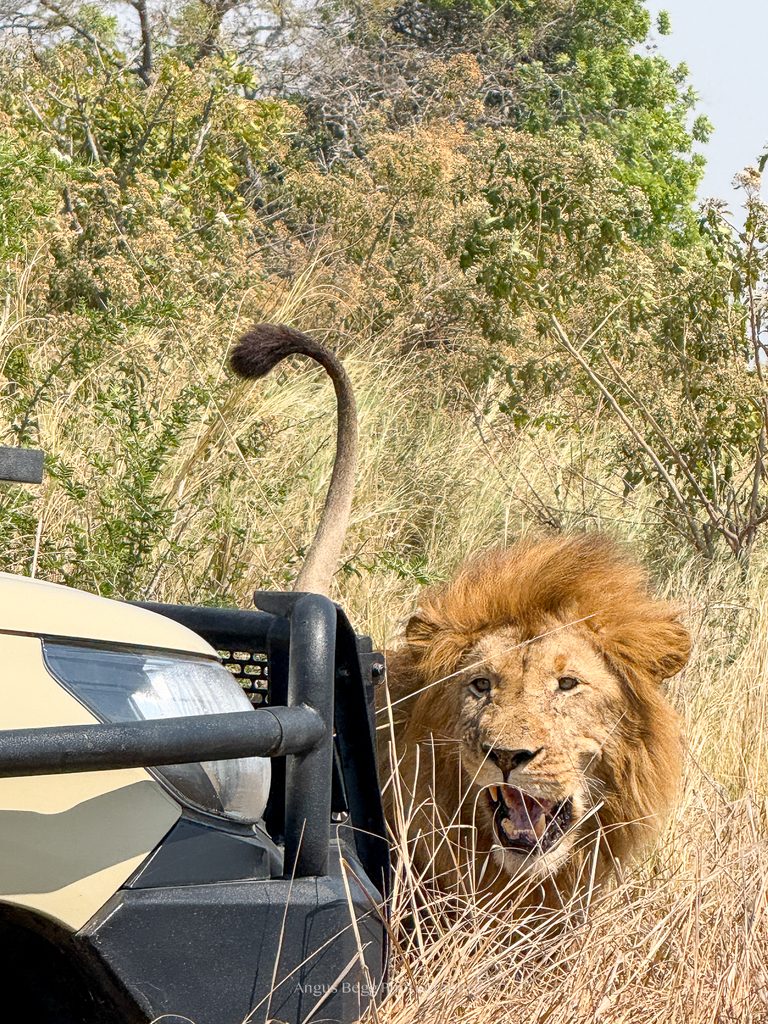
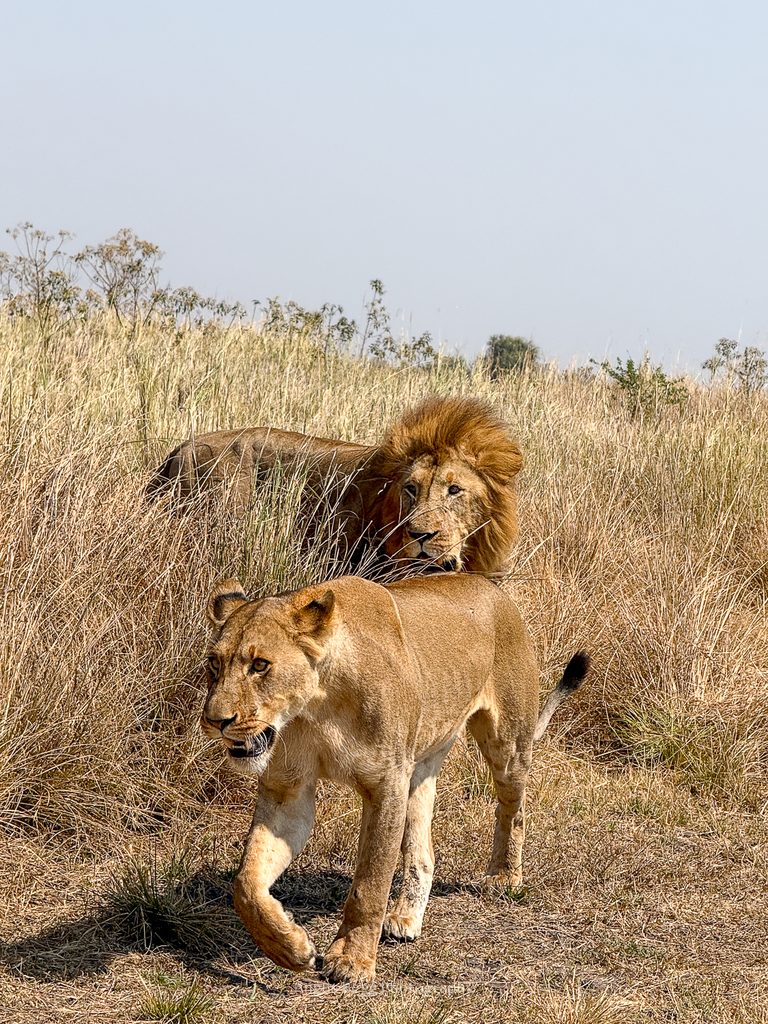
This male wouldn’t give up trying to mate, right outside Busanga Bushcamp..A few hours previous it had finished eating a lechwe below a termite-inspired island 100m away.



The birdlife on the plains is magnificent, with these rare and threatened grasslands providing habitat and prey for a variety of species. I caught this Black-winged kite in its characteristic hovering pose (the only raptor that can perform this feat, usually associated with the Pied kingfisher).
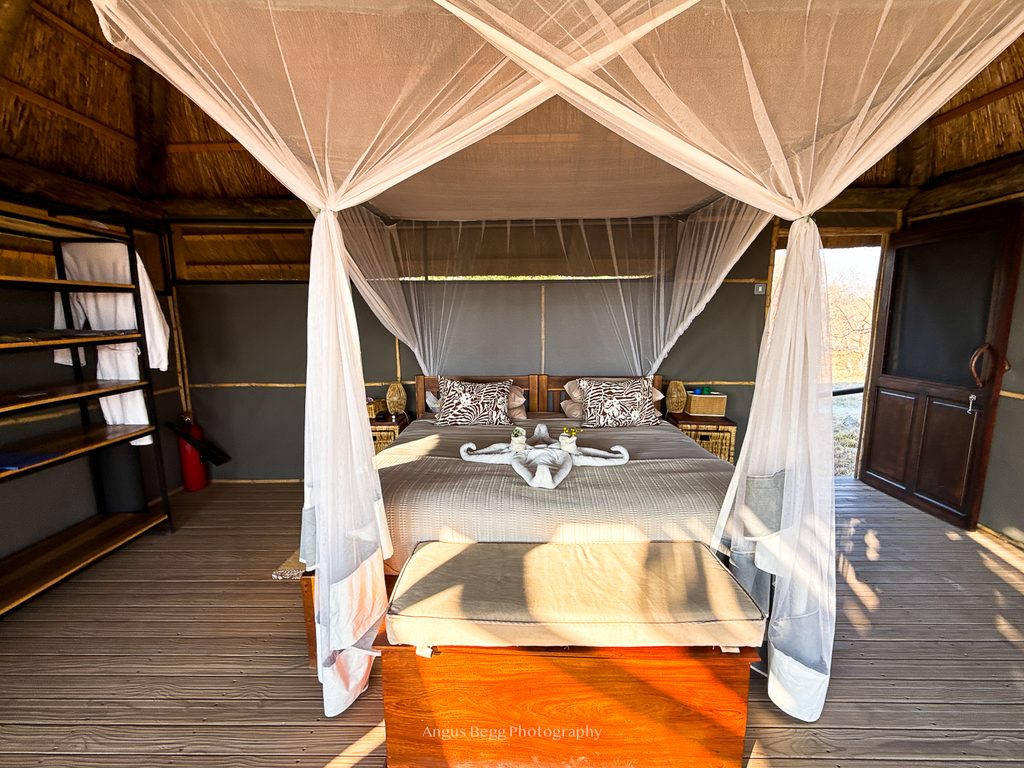
Where do you sleep and eat?
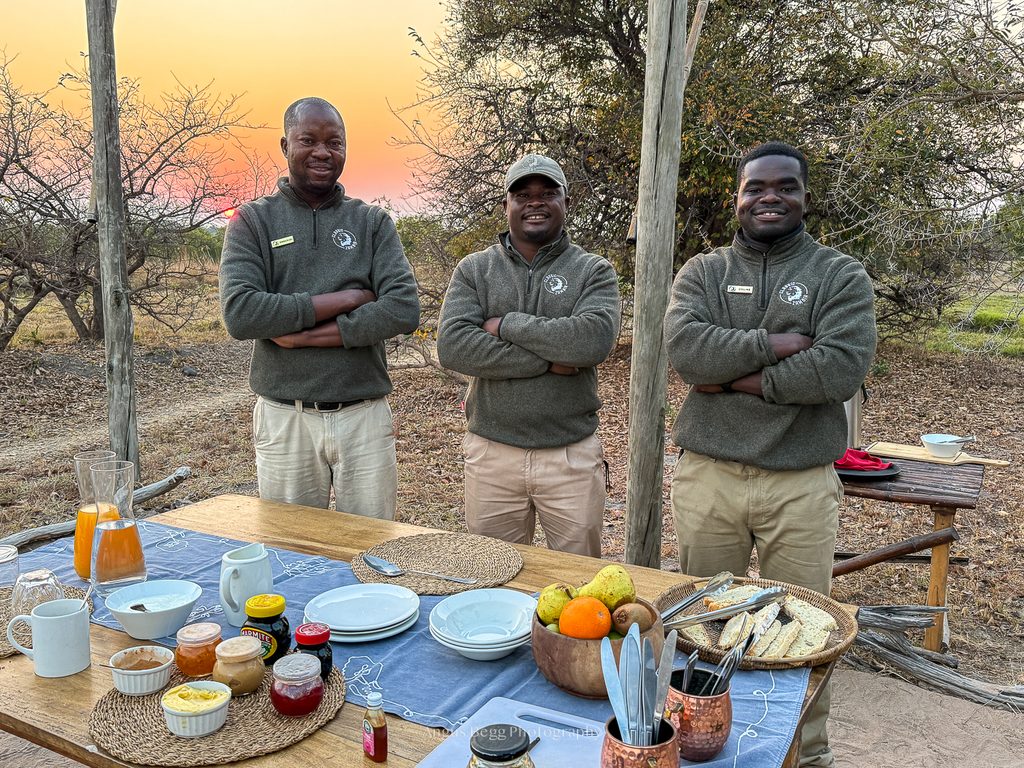
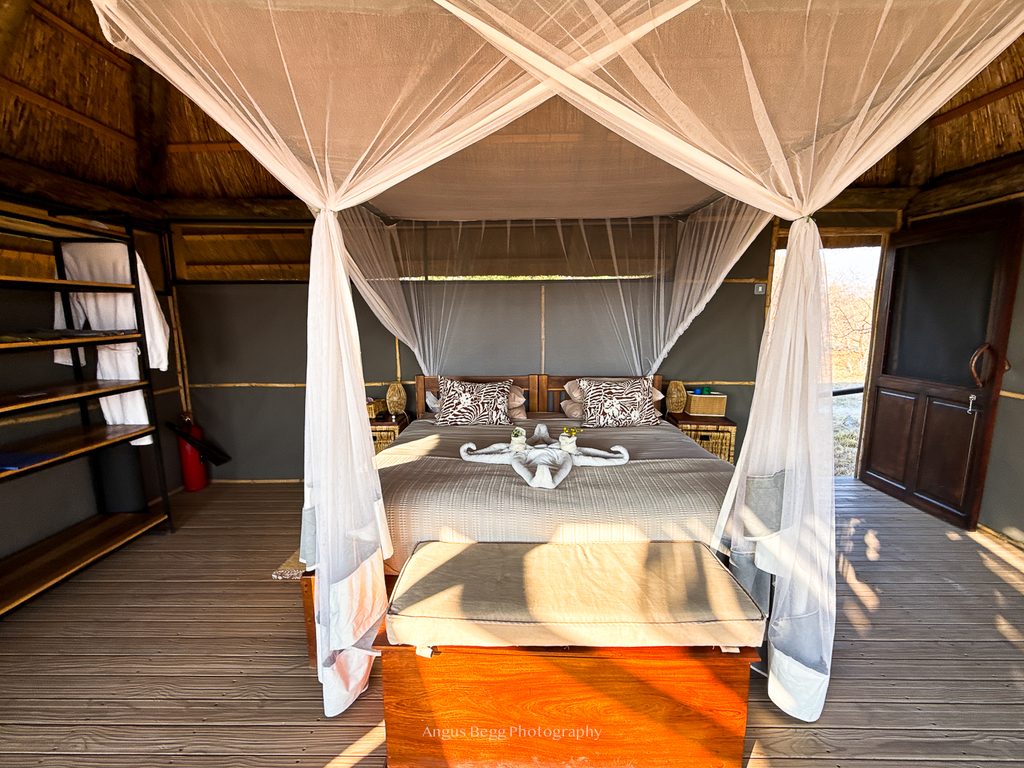

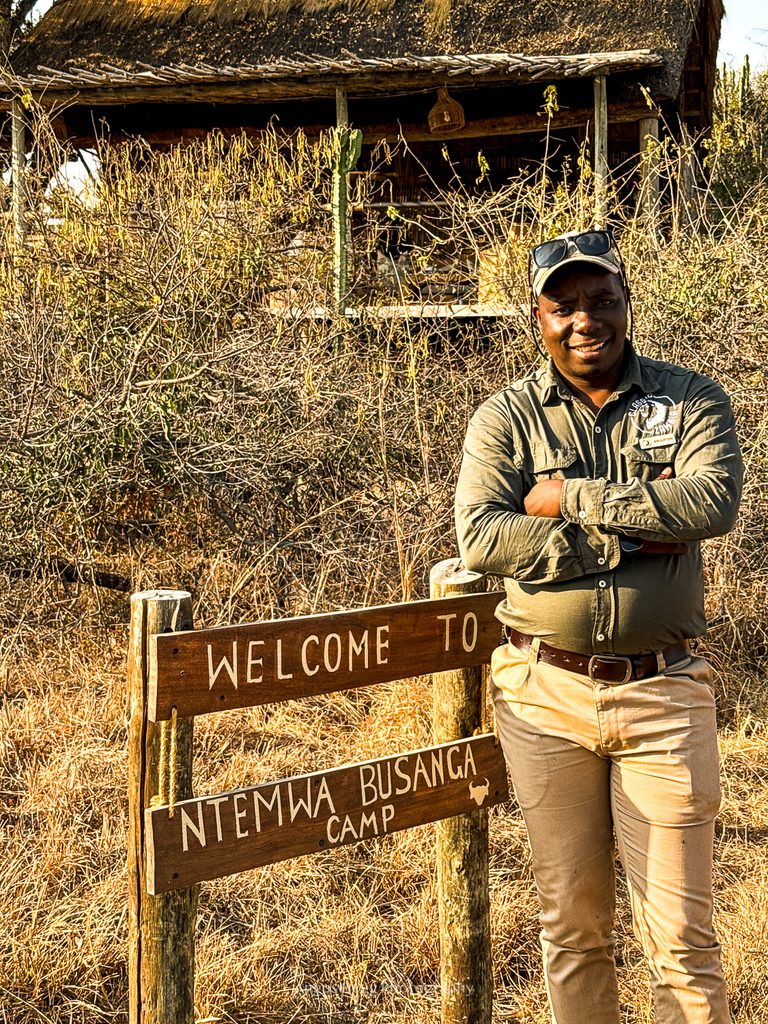
*Far more than just “green spaces’, grasslands are are one of our planet’s often overlooked service providers. ‘Around 20 to 35% of the carbon sequestered worldwide is stored in these ecosystems’, says recent research put out by Chalmers University of Technology. Thus, they contribute to mitigating climate change. At the same time, around 33% of global biodiversity hotspots are located in grassland regions.’
The results show that these ecologically highly valuable areas are converted at a rate almost four times faster than forests.